
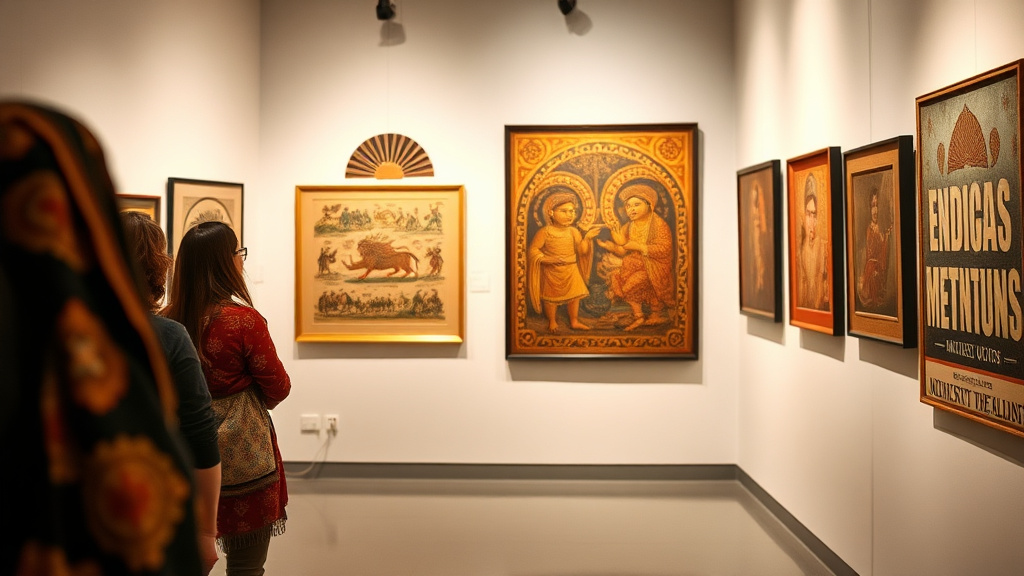
Indigenous art forms have long remained underrepresented in the worldwide art world, yet a transformative shift is underway. Prominent museums around the world are now featuring handmade works and artistic creations from aboriginal groups, elevating these works from cultural invisibility to worldwide prominence. This article examines how carefully curated displays are reshaping perceptions of indigenous creativity, providing artists with unprecedented platforms while promoting mutual appreciation. Discover the significant influence these exhibitions have on indigenous peoples and the global artistic community.
Worldwide Museum Initiatives Promoting Indigenous Creative Expression
Prominent global museums function as significant drivers for aboriginal creative recognition, reshaping how worldwide audiences perceive ancestral artistic practices. Prestigious institutions across the Americas, Europe, and Asia are committing considerable exhibition space to Native art pieces, going past tokenistic displays to extensive surveys. These venues provide aboriginal artists with unprecedented visibility, allowing their works to compete for attention established current and historical art forms. The Smithsonian, Louvre, and Metropolitan Museum of Art have each established dedicated indigenous art collections, reflecting institutional commitment to this cultural renaissance and creating standards for inclusion.
The strategic placement of indigenous art within prominent museum settings has substantially changed market dynamics and critical reception. Curators now work closely with indigenous communities, guaranteeing genuine representation and appropriate cultural framing for displayed works. This collaborative approach respects intellectual property rights and traditional knowledge while creating educational opportunities for visitors worldwide. Museums increasingly recognize indigenous artists as vital participants to global contemporary art discourse, not merely historical or anthropological subjects. Such institutional validation has produced increased collector interest, higher artwork valuations, and increased career possibilities for indigenous creators globally.
Cultural Importance and Contemporary Impact
Museum displays of indigenous art forms represent far more than aesthetic appreciation; they constitute cultural preservation and cultural advancement. These spaces validate traditional knowledge systems and creative traditions that have nurtured indigenous communities for centuries. By displaying indigenous works alongside Western art, museums question established hierarchies and illustrate the broad importance of indigenous creativity. This recognition enhances cultural pride within communities while enlightening international viewers about diverse artistic traditions and their significant spiritual and social meaning.
Traditional Techniques Engage Modern Audiences
Contemporary museum collections link ancestral artistic practices and today’s viewers, fostering substantive conversations across generations. Indigenous artists more and more employ traditional methods while exploring contemporary themes, ensuring their work resonant with today’s audiences. Museum curators collaborate directly with indigenous communities to share true accounts and situate artworks properly. This collaborative approach guarantees exhibitions respect cultural protocols while ensuring indigenous art open to international visitors who may encounter these traditions for the first time.
The incorporation of online platforms in museums further amplifies indigenous art’s reach and impact. Engaging exhibits, digital collections, and multimedia presentations allow people to discover the stories, techniques, and cultural contexts behind individual pieces. These innovations engage younger demographics while safeguarding cultural heritage through innovative documentation. Museums now serve as vibrant environments where aboriginal creators personally connect with visitors, conveying individual stories and demonstrating time-honored practices, producing impactful educational moments.
- Indigenous artists receive international recognition and commercial prospects
- Museums document and preserve at-risk cultural practices and techniques
- Communities oversee their cultural stories and portrayal authentically
- Young indigenous people rediscover traditional artistic legacy with pride
- Global audiences develop deeper appreciation for indigenous cultural impact
Obstacles and Emerging Prospects
Despite growing recognition, indigenous artists encounter substantial challenges in sustaining their careers through museum exhibitions. Limited funding for indigenous art programs, insufficient inclusion in curatorial decisions, and the commercialization of sacred cultural practices remain persistent challenges. Additionally, many indigenous communities have limited access to institutional resources to record and maintain traditional techniques. Museums must tackle these structural obstacles by dedicating increased funding, employing indigenous curatorial staff, and establishing ethical guidelines that respect cultural protocols while ensuring equitable compensation for artists and communities.
Looking ahead, the trajectory of indigenous art in global museums presents immense opportunity for significant transformation. Emerging technologies enable online showcases connecting with worldwide audiences, while collaborative partnerships between museums and indigenous organizations enhance community agency. Learning programs can cultivate appreciation for indigenous aesthetics among next-generation audiences. By prioritizing authentic representation, advancing artist development programs, and recognizing indigenous intellectual property rights, institutions can establish long-term frameworks that celebrate cultural heritage while empowering indigenous creators to flourish in the contemporary art world.
