
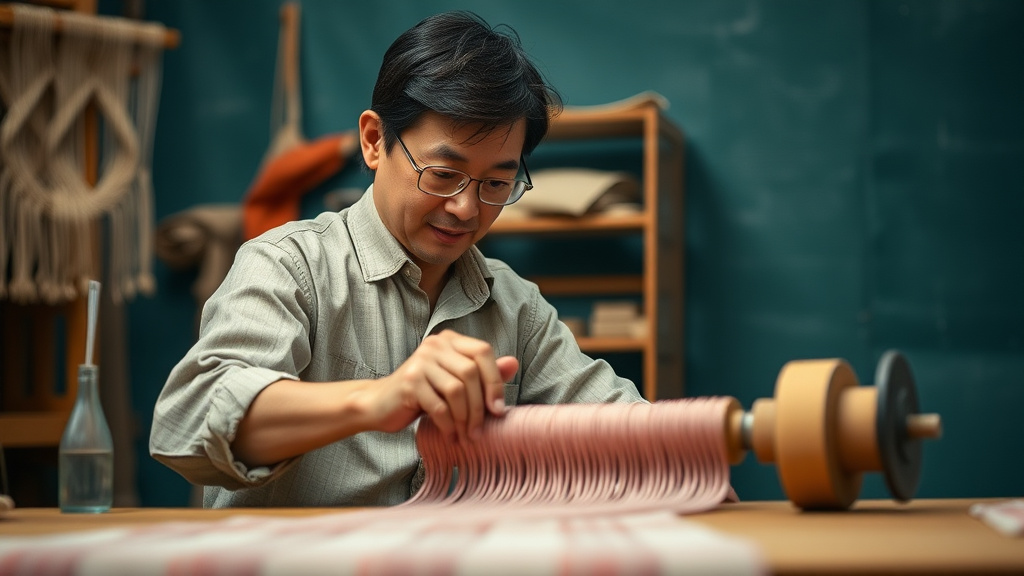
In a environment of rapid garment production and mass production, skilled textile makers are finding an surprising way ahead—by embracing digital innovations without forsaking time-honored methods. From hand looms augmented with digital design software to organic pigments refined via research-driven development, makers around the world are demonstrating that ancestral methods and modern advancement need not conflict. This article explores how weaving craftspeople are effectively combining traditional approaches with current technology, maintaining their ancient crafts remain vibrant, environmentally responsible, and significant for future generations.
The Legacy of Time-Honored Textile Arts
Textile mastery constitutes one of humanity’s oldest and most revered artistic traditions, with roots reaching many millennia across multiple cultures worldwide. From the intricate silk weaving of ancient China to the colorful woven pieces of Peru and the fine lacework of Europe, traditional textile arts have acted as keepers of cultural identity, sacred meaning, and technological innovation. These established traditions include a vast array of techniques including hand-spinning, plant-based dyes, weaving on conventional looms, and embroidery, each refined through generations of skilled craftspeople who shared their understanding through apprenticeship and spoken teaching.
The value of traditional textile craftsmanship goes well past visual appeal; these arts embody the cultural values, narratives, and ecological knowledge of their communities. Artisans who maintain these practices serve as keepers of culture, maintaining techniques that reflect ecological stewardship and deep ecological knowledge built up through generations. Today, as international appeal in authentic handcrafted goods keeps expanding, conventional textile artisans are positioned at a pivotal moment where their inherited techniques are more highly prized for their craftsmanship, distinctiveness, and cultural significance in an growing uniform commercial landscape.
Bridging Past and Present in Textile Manufacturing
The adoption of modern technology into conventional textile production represents a revolutionary shift in how artisans engage with their craft. Rather than treating digital tools as threats to authenticity, contemporary weavers and dyers acknowledge them as catalysts for creative expression. This evolution allows craftspeople to broaden their market presence, enhance efficiency, and sustain economic viability while safeguarding the essential skills and creative perspective that characterize their artistic legacy. The result is a thriving textile industry that celebrates tradition while embracing innovation.
Contemporary Design Blends with Traditional Weaving
Digital design tools has revolutionized the early steps of textile creation without diminishing the hand craftsmanship that distinguishes traditional weaving. Artisans now utilize computer-aided design programs to visualize intricate designs, explore color schemes, and map out intricate weaving patterns before touching their looms. This technological assistance minimizes trial-and-error phases, allowing textile artisans to direct their skill on the actual hand-loom work. The blend of computational accuracy and hand-made quality creates superior textile products, combining heritage practices with current design trends that resonate with modern customers.
The incorporation of digital tools has opened up design development for textile artisans, especially in emerging markets where access to design education was formerly unavailable. Weavers can now collaborate remotely with creative partners, share their work globally, and keep pace with consumer needs. Computer software allows them to record heritage designs through digital means, maintaining heritage practices for future generations. This digital adoption strengthens collaborative communities, empowering artisans to maintain competitive advantages while preserving their craft traditions economically viable and culturally important in contemporary markets.
- Computer-aided design visualizes complex weaving patterns with precision
- Automated color matching guarantees consistency throughout successive production runs
- Design record-keeping maintains traditional designs for upcoming craftspeople
- Remote collaboration links textile artisans with global design communities
- Software minimizes fabric waste through precise pre-production planning
Craftspeople Spearheading the Innovation Movement
Innovative craftspeople across the world are leading a transformative movement that questions the misleading divide between heritage and modernity. These artisans acknowledge that embracing contemporary methods need not undermine their traditional legacy; instead, technology serves as an enabler that amplifies their artistic capabilities. By blending technological solutions, sustainable materials, and contemporary business practices into their studios, these trailblazers showcase that fabric artistry can thrive in the modern era. Their shared approach goes further than individual studios, as they distribute information through digital networks, guidance systems, and worldwide partnerships, fostering a thriving environment where ancient wisdom meets advanced technology.
The achievements coming out of this movement encourage countless emerging artisans to pursue textile craftsmanship as a fulfilling and practical career. Young weavers, dyers, and embroiderers now access remarkable opportunities—from remote mentorships with skilled practitioners to crowdfunding platforms that enable responsible creation. These innovators harness social media to display their work globally while maintaining fair working conditions and environmental stewardship. Their commitment to honoring time-tested techniques while integrating contemporary approaches shows that textile artisanship serves as not a relic of the past, but a dynamic, evolving field equipped to tackling modern issues while honoring centuries of accumulated expertise.
Upholding Traditions for Generations to Come
The protection of ancestral textile skills relies essentially on involving youth and creating viable economic pathways for craftspeople. Learning frameworks that combine hands-on training with digital literacy are becoming increasingly vital, helping students to master ancestral techniques while comprehending current marketplace requirements. Museum networks, arts councils, and legacy foundations increasingly partner with craftspeople networks to record ancestral practices, create quality standards, and build long-term economic frameworks that respect skilled artistry while providing adequate remuneration and skill development prospects.
As consumer awareness increases regarding responsible manufacturing and ecological preservation, conventional textile artisans find themselves situated at the forefront of a worldwide shift toward conscious consumption. By transparently sharing their stories, production methods, and heritage value through online channels and digital networks, artisans engage directly with audiences valuing authenticity and heritage. This direct engagement not only generates economic support but also encourages younger craftspeople to embrace their heritage traditions, ensuring that traditional methods continue flourishing alongside contemporary advances for future generations.
