
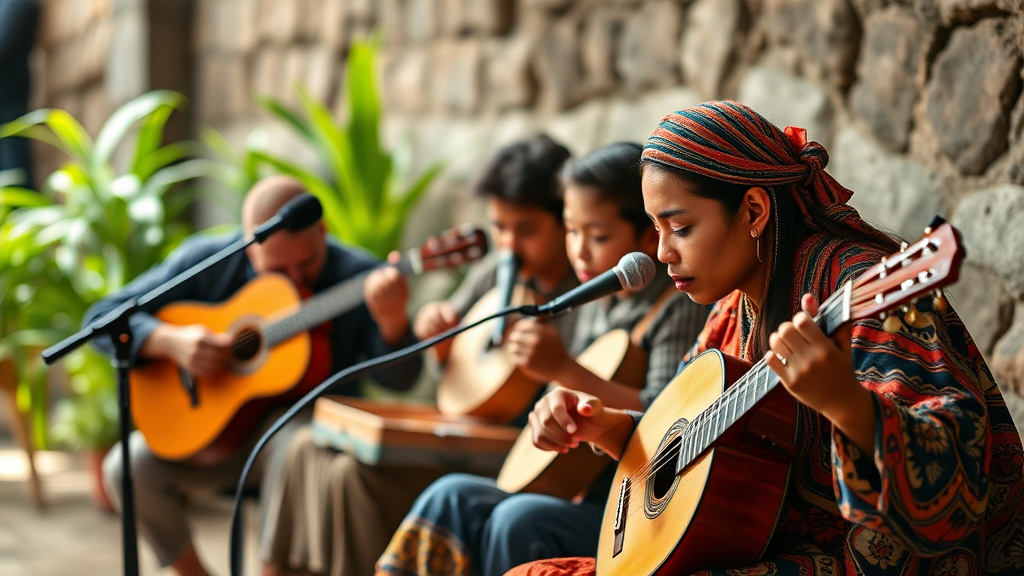
For generations, traditional orchestral music has been viewed as an elite pursuit, available mainly to privileged communities with resources and proximity to established venues. However, a transformative global movement is breaking down these barriers. Creative educational programs are now providing ensemble training, guidance and support, and rigorous training to marginalized areas across continents, empowering young people who once lacked access to classical music. This article explores how groups across the globe are spreading musical achievement, improving futures, and reshaping the future of classical music itself.
Global Development of Music Education Initiatives
The terrain of classical music education is undergoing a significant shift as institutions globally acknowledge the profound impact of accessible educational initiatives. From Latin America to Southeast Asia, forward-thinking initiatives are establishing music schools, orchestras, and mentorship networks in communities traditionally shut out of classical music access. These programs utilize both traditional teaching methods and modern technology, enabling gifted student performers to build their skills regardless of geographic location or financial situations. The growth demonstrates a fundamental shift in how the classical music world views its responsibility to cultivate talent universally.
Major international organizations and community-based groups are collaborating to create sustainable music education ecosystems in underrepresented areas. Programs such as Venezuela’s El Sistema, now replicated across numerous countries worldwide, show that structured, affordable instruction can transform entire communities. These initiatives offer more than music instruction but also ensemble experience, performance opportunities, and pathways to professional careers. By supporting community-level music programs, these organizations are developing varied musician pipelines while also enhancing cultural life in underrepresented areas, proving that artistic achievement transcends socioeconomic boundaries.
Technology has emerged as a driver of unprecedented expansion, allowing remote instruction, virtual performances, and global collaboration among young musicians. Online platforms connect students in remote villages with master teachers from renowned orchestras, breaking geographic isolation. Simultaneously, local communities are establishing their own cultural institutions, establishing orchestras and concert halls that function as foundations for music education. This decentralized approach ensures that classical music becomes embedded in local cultures while maintaining international standards of excellence and creating genuine pathways for talented youth worldwide.
Tackling Challenges and Building Enduring Programs
Creating lasting classical music education in marginalized communities requires strategic approaches that address systemic obstacles. Global organizations are implementing holistic programs that combine monetary assistance, grassroots alliances, and innovative teaching methods. By creating local infrastructure and establishing ongoing financial resources, these efforts confirm that opportunities for classical music learning transforms into a lasting component rather than a short-term program. Progress relies on grasping each community’s unique challenges and tailoring programs accordingly, creating meaningful pathways for emerging musicians regardless of financial circumstances.
Infrastructure and Resource Expansion
Building foundational facilities establishes the cornerstone of available music education programs. Many disadvantaged areas lack essential spaces like concert halls, practice spaces, and instrument storage areas. Forward-thinking groups are transforming abandoned buildings into vibrant music centers, outfitted with quality instruments and up-to-date instructional equipment. These spaces become cultural hubs where young people can engage with classical music in welcoming, familiar environments. Support for facilities demonstrates commitment to long-term community development and conveys that classical music is accessible to everyone.
Establishing reliable financial support remains vital for long-term program viability and growth. Effective programs integrate diverse funding sources such as public funding, private donations, business partnerships, and fundraising activities. Many organizations generate income through public performances and showcases featuring skilled performers. Collaborations involving educational institutions and cultural organizations provide extra funding and expertise. Diversified funding approaches minimize reliance on one funding stream and allow organizations to withstand financial downturns while maintaining quality instruction and expanding their reach.
- Build collaborations with local schools and cultural organizations
- Launch grant programs for accomplished students with economic hardship
- Establish volunteering roles for professional musicians and teachers
- Introduce traveling music libraries bringing musical instruments to underserved communities
- Build mentorship programs pairing skilled and novice students
Community participation enhances program effectiveness and sustainability. When community members participate as supporters and advocates, they develop a sense of ownership in the program’s growth. Educational outreach activities expose classical music to families new to the genre, fostering broader support. Public performances highlight student achievements, encouraging younger children while proving that classical music education delivers tangible results. Deep community ties transform disconnected programs into vital elements of community identity and culture.
Implications and Future Opportunities
The growth of classical music education in underserved communities has yielded documented changes in academic results and community participation. Participants demonstrate enhanced school performance, stronger mental growth, and heightened cultural appreciation. Beyond personal accomplishments, these programs build community bonds and provide economic opportunities through music scholarships and professional careers. Communities experience cultural revitalization as performance venues transform into dynamic venues, drawing listeners formerly removed from classical music traditions and promoting cross-generational understanding.
Looking ahead, the direction of classical music education appears notably optimistic despite continuous budget pressures. Technology integration enables remote instruction and virtual collaborations, expanding access beyond geographic boundaries. Collaborations among governments, charitable foundations, and heritage organizations remain on the rise, creating long-term financial frameworks. As thriving initiatives multiply globally, they provide models for implementation, promoting funding in music education as essential infrastructure alongside conventional school subjects, acknowledging its profound impact on youth development and equitable access.
The democratization of classical music marks a fundamental change in how cultures recognize cultural access and artistic development. By breaking down systemic barriers, these efforts unlock exceptional abilities previously hidden within marginalized groups, enhancing the worldwide classical music scene. Next generations will gain from diverse perspectives and experiences elevating orchestras and concert halls around the world. This shift ultimately establishes that musical mastery surpasses economic background, delivering a more inclusive flourishing future for classical music.
