
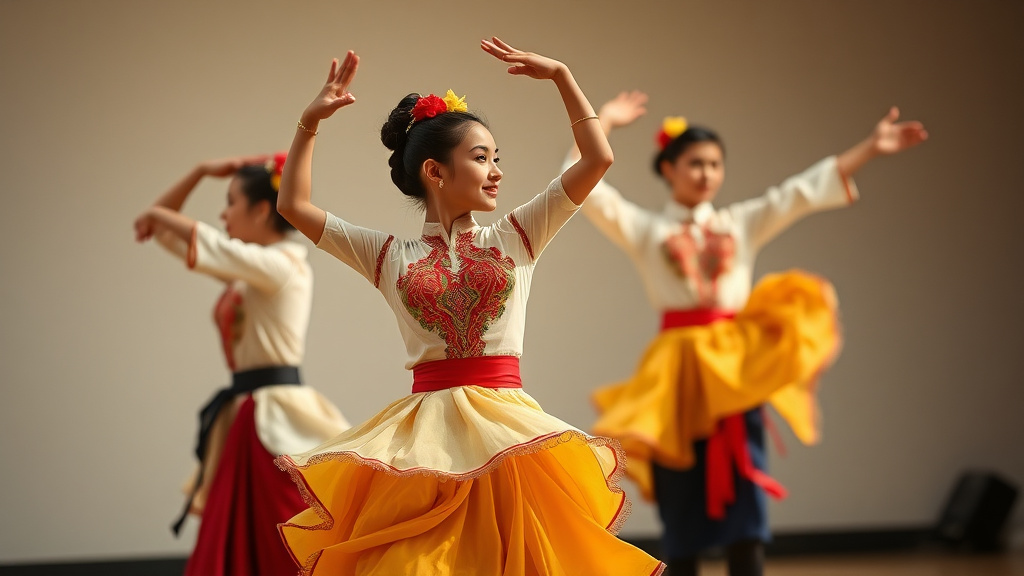
Classical ballet, once restricted to ornate theaters and elite audiences, is undergoing a revolutionary transformation. Contemporary premier ballet companies are courageously reinventing time-honored techniques, blending traditional choreography with current musical compositions, multimedia elements, and varied performers. From New York to Tokyo, these institutions are breaking barriers and attracting younger and more international audiences without diminishing artistic integrity. Discover how the world’s leading ballet companies are preserving their heritage while advancing this enduring artistic discipline into the modern era.
Merging Heritage with Contemporary Dynamics
Classical ballet ensembles internationally are recognizing that tradition and innovation don’t have to be mutually exclusive. By thoughtfully integrating contemporary movement vocabulary into classical frameworks, choreographers are producing performances that honor the discipline’s storied tradition while addressing modern sensibilities. This careful equilibrium allows audiences to appreciate the elegance of traditional technique while encountering fresh artistic perspectives that reflect contemporary cultural conversations and aesthetic preferences.
The evolution of ballet reflects broader societal changes toward inclusivity and experimentation. Companies are rethinking classical stories, refreshing musical arrangements, and incorporating diverse movement styles from contemporary dance, hip-hop, and global dance forms. These intentional blends produce dynamic presentations that uphold technical precision while offering unexpected emotional depth. Younger dancers and audiences become deeply engaged by productions that feel both timeless and urgently relevant to their personal journeys and artistic sensibilities.
This groundbreaking approach has shown commercially and artistically successful, demonstrating that classical ballet can thrive in the modern era without abandoning its foundational principles. Theaters report greater attendance figures, broader audience appeal, and renewed critical acclaim when companies adopt deliberate creative exploration. The fusion of heritage and contemporary movement represents not a abandonment of ballet’s essence but rather an development that guarantees this magnificent art form remains vital, accessible, and meaningful for the years ahead.
Fusion Dance Approaches
Innovative choreographers are designing fusion techniques that fluidly blend classical ballet vocabulary with modern dance styles. These approaches preserve the precision, grace, and technical demands of conventional ballet while integrating flowing, earth-connected motion typical of modern dance. By training dancers in both disciplines, companies develop performers capable of executing complex fusion choreography that pushes conventional boundaries. This broadened physical language facilitates richer storytelling and greater emotional complexity within traditional structures.
Successful fusion choreography requires thorough knowledge of both traditions and deliberate creative choices about when and how to integrate techniques. Choreographers thoroughly examine classical vocabulary’s historical context while investigating how contemporary movement can enhance emotional authenticity. The process includes collaborative exploration, where dancers provide feedback on quality of movement and fluid transitions. This methodology has produced innovative pieces that draw diverse audiences while earning respect from classical ballet purists who appreciate the technical mastery and artistic integrity demonstrated through thoughtfully executed fusion pieces.
- Incorporating ground-based movement and floor techniques into traditional ballet terminology
- Blending pointe work with improvised contemporary movement and pedestrian styles
- Fusing hip-hop beats with classical music and traditional choreography
- Combining story-driven narratives with contemporary abstract dance ideas
- Employing digital projections with classical ballet technical demonstrations
Web-Based Platforms and International Expansion
The rise of online platforms has significantly changed how classical ballet reaches audiences worldwide. Video streaming services and digital social networks now allow ballet companies to break through regional barriers, streaming productions directly to residences across continents. This opening up of opportunities has played a key role in developing emerging audiences who might never have experienced live ballet in conventional performance venues, thereby extending the art’s societal impact exponentially.
Leading ballet organizations have strategically embraced digital innovation to maintain relevance in an increasingly connected world. By allocating resources to high-quality video production and online distribution, companies guarantee their artistry remains accessible to varied audiences and age groups. This technological shift has also opened new possibilities for cross-border partnerships, allowing dancers and choreographers to share creative ideas effortlessly across time zones and borders.
The financial impact of digital development go further than ticket sales, unlocking revenue streams through membership platforms and digital media licensing. Ballet companies now employ data analytics to comprehend viewer preferences, customize content recommendations, and enhance engagement strategies. This data-informed method allows organizations to determine strategic choices about forthcoming performances while preserving the creative quality that distinguishes classical ballet.
Online and Digital Performances
Professional streaming services specializing in dance have emerged as game-changers in classical ballet distribution. Platforms delivering on-demand access to complete performances, documentaries, and exclusive behind-the-scenes material attract experienced ballet fans and new audiences. These services provide flexible viewing options, allowing audiences to watch world-class ballet performances at their preferred times while supporting artists through long-term financial structures.
Online shows and live-streamed productions have proven particularly valuable during periods of restricted theater access. High-definition cinematography and creative filming techniques improve how audiences experience the performance, sometimes providing viewpoints impossible to achieve from conventional seating in physical venues. This technological sophistication demonstrates that online formats can complement rather than diminish the traditional ballet art form, attracting global audiences numbering in the millions.
Audience Interaction and Accessibility
Modern ballet companies recognize that broad access is paramount to building new audiences. By offering digital streaming platforms, affordable ticket pricing, and grassroots engagement initiatives, these institutions make accessible classical ballet. Online shows during the pandemic revealed untapped global markets, allowing viewers worldwide to experience live productions from their homes. Many companies now provide beginner-friendly classes and backstage footage, clarifying ballet’s technical complexity and inviting broader participation across different income levels.
Engaging programs have played a key role in audience engagement strategies. Ballet companies host pre-performance discussions, social media engagement initiatives, and educational partnerships to nurture young talent and appreciation. Varied casting choices and current story approaches connect with audiences wanting meaningful connections. These initiatives change passive observation into direct engagement, building devoted audiences committed to ballet’s evolution while honoring its established heritage and supporting long-term development.
