
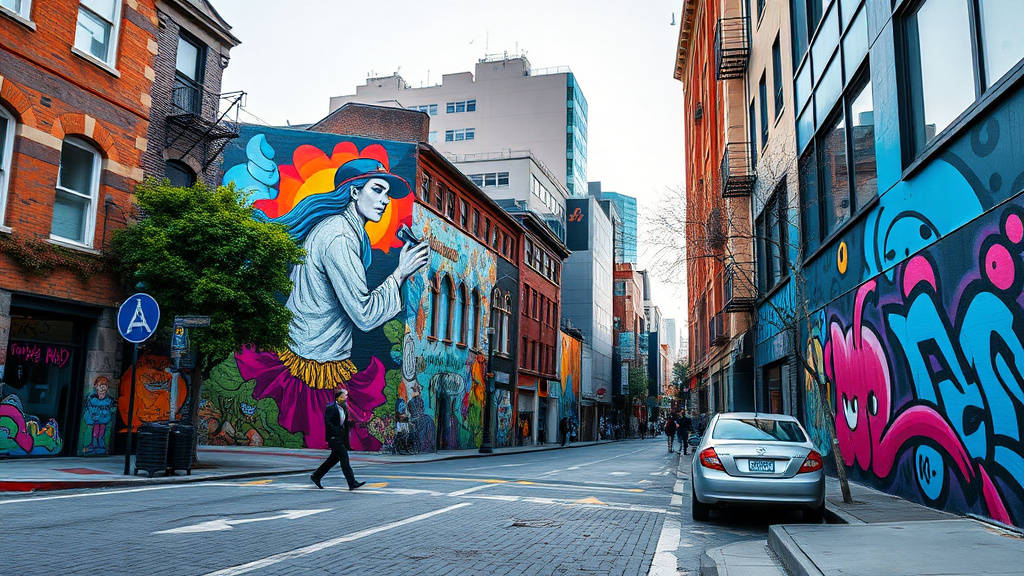
What was once dismissed as vandalism has transformed into a valid creative expression that captivates millions globally. Today’s street art has revolutionized metropolitan areas, transforming drab concrete walls and neglected side streets into colorful outdoor exhibition spaces. From detailed murals to thought-provoking installations, artists are repurposing community areas and initiating community conversations. This article investigates how street art transforms communities, enhances community character, and questions traditional notions of where art has a place, proving that creativity prospers outside gallery settings.
The Growth of Urban Art as Recognized Artistic Medium
Street art has gone through a notable transformation in recent decades, evolving from a stigmatized underground movement into a worldwide celebrated artistic discipline. Prominent exhibition spaces now feature street artists next to classical painters and sculptors, validating their contributions in contemporary culture. This transition shows shifting cultural views toward creative expression in public spaces and individual creative vision. Artists like Banksy, Shepard Fairey, and JR have raised street art to international prominence, proving that skill surpasses institutional boundaries and that true creative work resonates with people across the world.
The acceptance of street art stems partly from its clear artistic mastery and intellectual complexity. Contemporary muralists utilize advanced methods, color theory, and creative perspective on par with studio-based practitioners. Many street artists hold formal art training and intentionally select urban environments as their canvas for philosophical and political purposes. This deliberate creative strategy distinguishes modern street art from simple tagging or property damage. Collectors, curators, and critics now acknowledge street art’s importance to society, investing in artworks and documenting artists’ impact on urban development and community identity.
Institutional recognition has accelerated street art’s credibility through displays, funded projects, and archival programs. Cities around the world now hire professional muralists for public projects, considering street art as vital city infrastructure. Art institutions document street artists’ work ahead of destruction, ensuring archival conservation. This formal recognition ironically challenges street art’s rebellious roots while simultaneously democratizing art appreciation. By integrating street art into popular culture, communities affirm that true artistic vision belongs everywhere, not restricted to privileged gallery spaces accessible only to wealthy patrons.
Community Effects and Urban Revitalization
Contemporary street art has become a significant driver for neighborhood transformation and civic participation. Beyond its visual beauty, colorful murals and public installations promote social cohesion by generating shared cultural experiences. These artworks spark conversations, honor local culture, and create spaces for marginalized voices. Communities experiencing street art flourishing report greater sense of pride and stronger neighborhood bonds. When residents see their streets converted into artistic spaces, they form stronger attachments to their surroundings and invest more actively in community development initiatives.
Economic Gains for Local Businesses
Street art substantially increases regional economic growth by drawing visitors and foot traffic to underutilized neighborhoods. Bold artistic displays reimagine business districts into visually striking locations, prompting people to check out local shops, cafes, and restaurants. Property values in neighborhoods with street art often increase as neighborhoods become more desirable. Business owners report higher customer engagement and spending when adjacent to impressive murals. This economic revitalization opens career pathways and fosters business creation within communities.
The existence of quality street art reflects neighborhood investment and care, conveying security and energy to prospective buyers and stakeholders. Businesses leverage artistic surroundings through branded promotional initiatives and social media promotion. Art walks and cultural events focused on murals create additional revenue streams. Local entrepreneurs actively partner with street artists to develop custom artworks, blending commerce with creativity. This mutually beneficial partnership strengthens the community’s economic growth while supporting artists financially.
- Increased visitor flow and patronage to community businesses
- Higher home values and community attractiveness
- Visitor income from creative audiences and heritage seekers
- Employment opportunities for artists and creative professionals
- Improved market presence through creative partnerships
Strategic investment in street art infrastructure produces measurable economic returns for neighborhoods. Cities launching public art programs report substantial increases in business revenue and property tax income. The multiplier effect extends beyond immediate commercial gains, attracting corporate partnerships and cultural institutions. Neighborhoods transformed by street art become destinations for creative workers, further stimulating economic growth. This evidence demonstrates that supporting street art represents sound economic policy alongside cultural enrichment.
Renowned Street Artists and Their Global Influence
Banksy, the mysterious British urban artist, has become synonymous with anti-establishment messages and ironic artwork. His stenciled pieces defy establishment figures and spark public debate, appearing on streets from locations spanning London and Palestine. Banksy’s influence extends beyond visual impact; his pieces fetch enormous sums at auction establishing street art as a serious investment. Through clever humor and deep meaning, he has influenced many artists worldwide to use public spaces as spaces for activism and creative expression.
JR, a French street artist and photographer, revolutionized urban art through monumental photographic pieces. His acclaimed “Women Are Heroes” initiative highlighted vulnerable communities worldwide, turning impoverished neighborhoods and war-torn areas into exhibition spaces showcasing human dignity. JR’s participatory model engages community members in creating art, cultivating local pride and social consciousness. His art shows how urban art goes beyond artistic conventions to function as a potent instrument for social justice narratives and international social progress.
Shepard Fairey’s recognizable artistic creations, particularly the Obama “Hope” poster, demonstrates street art’s capacity to shape popular culture and political movements. His unique aesthetic combines pop art aesthetics with activist messaging, connecting with audiences outside of traditional art circles. Fairey’s work has progressed from underground graffiti to widespread acceptance, demonstrating that street artists can gain market acceptance while maintaining artistic integrity and civic responsibility.
