
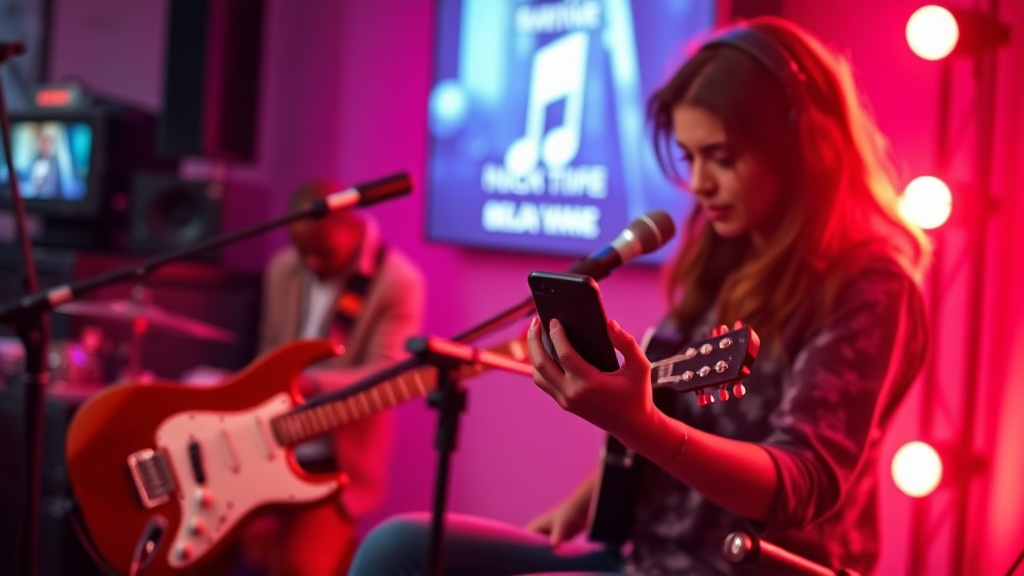
The music industry has experienced a seismic shift. Where physical albums and concert tickets once controlled artist revenue, streaming platforms now shape the financial landscape. Spotify, Apple Music, and YouTube have fundamentally transformed how artists generate income from their craft, creating both unprecedented opportunities and notable obstacles. This piece explores the evolving revenue models transforming the industry, examining how artists navigate digital revenue systems, negotiate fair compensation, and adjust their approaches to thrive in an increasingly digital world.
The Growth of Streaming Platforms and Its Impact on Music Industry Economics
The shift from physical media to online streaming services represents one of the most substantial economic shifts in music history. Over the previous decade, streaming services have evolved from limited services to primary income generators, significantly changing how artists earn money. Platforms like Spotify, Apple Music, and Amazon Music now produce billions in yearly income, combined accounting for the majority of the music industry’s revenue. This transformation has expanded availability to music, allowing listeners to access millions of songs on demand, but has at the same time produced complicated economic conditions that test traditional payment structures.
The streaming sector functions through a substantially different model than earlier distribution channels. Rather than earning set payments per record sold, artists now get small payments based on stream counts, typically ranging from $0.003 to $0.005 per play. While this enables international distribution and continuous revenue potential, the per-stream rates often do not pay artists sufficiently, notably new artists without significant audiences. Consequently, many artists have expanded their revenue strategies, combining streaming revenue with branded merchandise, live event sales, and fan funding services to maintain viable livelihoods in this dynamic market.
Understanding Subscription Billing Structures
Streaming services implement sophisticated payment systems that dictate how earnings are allocated among creators, labels, and content owners. These frameworks vary significantly across various platforms, resulting in a fragmented market where earnings depend on platform choice, listener characteristics, and licensing agreements. Grasping how these payments work is essential for artists seeking to maximize their income from digital distribution and determine strategically about platform prioritization in their launch plans.
Per-Stream Royalty Rates
Streaming payment rates indicate the compensation musicians receive for every single stream on a platform. These rates usually span from $0.003 to $0.005 per stream, though rates fluctuate substantially between services and regions. Spotify, the market frontrunner, offers around $0.003 to $0.004 per stream, while Apple Music offers slightly higher rates around $0.007 per stream. These seemingly small figures compound considerably for popular artists, yet pose challenges for emerging musicians growing their fanbase.
The computation of per-stream payments involves multiple stakeholders claiming portions of revenue. Record labels, publishers, songwriters, and producers all receive shares before the artist collects their cut. Self-released musicians typically keep larger percentages, while signed artists work out splits with their labels. This revenue-sharing model means that achieving substantial earnings requires millions of streams, making sustainable income difficult for developing and mid-level artists.
Subscription vs Ad Revenue
Recurring subscription income serves as the primary income source for most streaming platforms, with services like Spotify and Apple Music earning revenue through monthly subscription charges. This model offers more predictable and typically superior per-stream rates compared to ad-supported alternatives. Premium members generate significantly more revenue than complimentary account holders, encouraging companies to convert listeners to paid accounts and establishing motivation on artists to advocate for premium accounts.
Advertising-based streaming platforms like YouTube Music and free Spotify tiers generate revenue through advertisements, leading to substantially lower per-stream payouts to artists. While these platforms connect with wider audiences and function as discovery mechanisms, they provide minimal support to artist earnings. Musicians must carefully weigh exposure through ad-supported platforms against the modest income they generate, often using them as marketing channels rather than primary income sources.
Challenges and Opportunities for Modern Musicians
Modern musicians encounter unprecedented challenges in the streaming era. While platforms provide global reach and ease of access, compensation models remain contentious. Artists struggle with minimal per-stream payouts, often earning pennies per play. Solo artists particularly suffer, lacking negotiating power against large streaming services. Additionally, algorithm-driven discovery creates barriers for emerging artists competing for visibility. These economic pressures compel many musicians to diversify income through multiple income sources including merchandise and touring, transforming how they approach their careers and creative output.
On the other hand, streaming platforms present significant potential for artists willing to adapt. Immediate audience connection features allow independent musicians to develop dedicated fanbases without traditional gatekeepers. Performance metrics deliver important information into listener demographics and preferences, informing campaign tactics and creative direction. Getting featured on playlists can generate millions of streams overnight, launching careers rapidly. Additionally, lower distribution barriers permit artists to distribute songs consistently, maintaining audience engagement and revenue streams. Established performers capitalize on these benefits deliberately, using streaming as a springboard for varied earning opportunities and long-term artistic success.
The future demands innovation and resilience from musicians navigating this landscape. Emerging technologies like NFTs, blockchain payments, and artist-direct channels present new income opportunities disrupting conventional streaming markets. Artist advocacy groups actively push platforms for better payment terms. Meanwhile, musicians who embrace hybrid approaches—combining streaming with live performances, merchandise, and fan memberships—develop stronger financial foundations. Success requires understanding platform economics, keeping genuine audience relationships, and remaining adaptable as technology progressively alters the music industry’s financial foundations.
